Biggest Social Media Marketing Mistakes Businesses Still Make
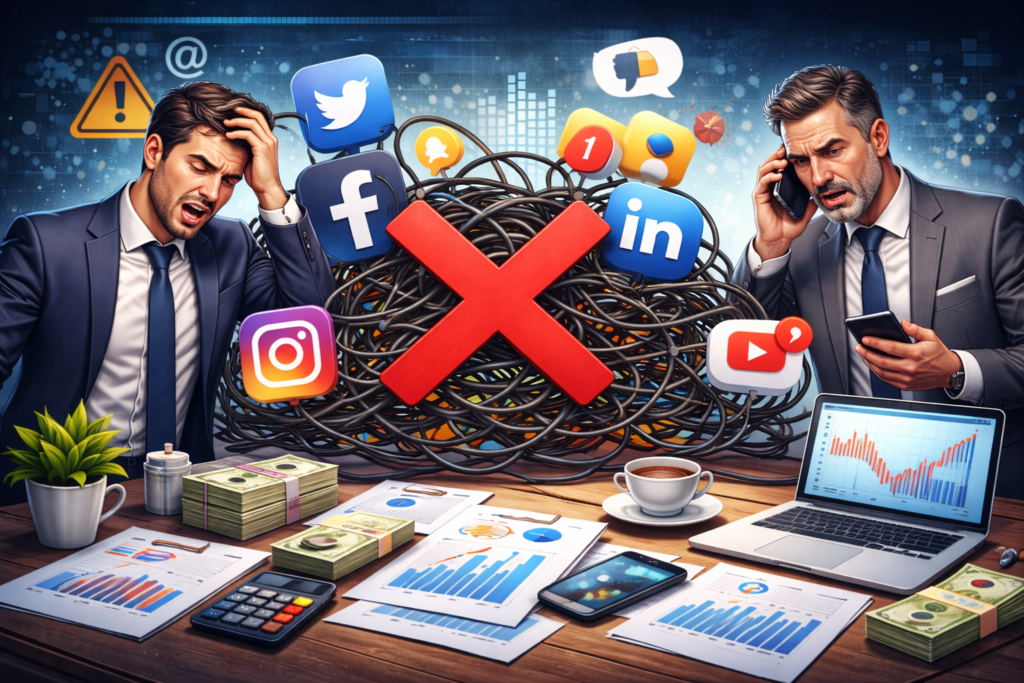
In today’s digital-first world, social media plays a crucial role in shaping how businesses connect with their audience. From building brand awareness to generating leads, it offers endless opportunities. Yet, many businesses fail to get the results they expect—not because social media doesn’t work, but because of avoidable mistakes. Recognizing these errors is the first step toward improving your strategy and achieving better outcomes.
1. Starting Without a Defined Plan
A common mistake businesses make is jumping onto social media platforms without a clear direction. Posting content without a goal often leads to confusion and poor performance. A successful approach starts with defining objectives, identifying the target audience, and planning content accordingly. Without a roadmap, even consistent efforts can go to waste.
2. Treating Social Media as a One-Way Channel
Many brands use social media only to broadcast their messages, ignoring the interactive nature of these platforms. Social media is meant for conversation, not just promotion. When businesses fail to reply to comments or messages, they miss valuable opportunities to build relationships. Engaging with your audience makes your brand more relatable and trustworthy
3. Inconsistent Posting Habits
Being active one week and completely silent the next can harm your visibility. Irregular posting makes it harder for your audience to stay connected with your brand. Consistency helps maintain interest and keeps your brand top-of-mind. Planning content in advance ensures a steady and reliable presence.
4. Over-Promotion of Products or Services
While promoting your offerings is important, overdoing it can push people away. Audiences don’t want to feel like they are constantly being sold to. Instead, they look for value—whether it’s educational, entertaining, or inspiring content. A balanced mix of promotional and non-promotional posts works best.
5. Lack of Audience Understanding
Creating content without knowing your audience is like speaking without knowing who’s listening. Businesses that don’t research their audience often struggle with low engagement. Understanding your audience’s preferences, problems, and interests helps you create content that actually connects.
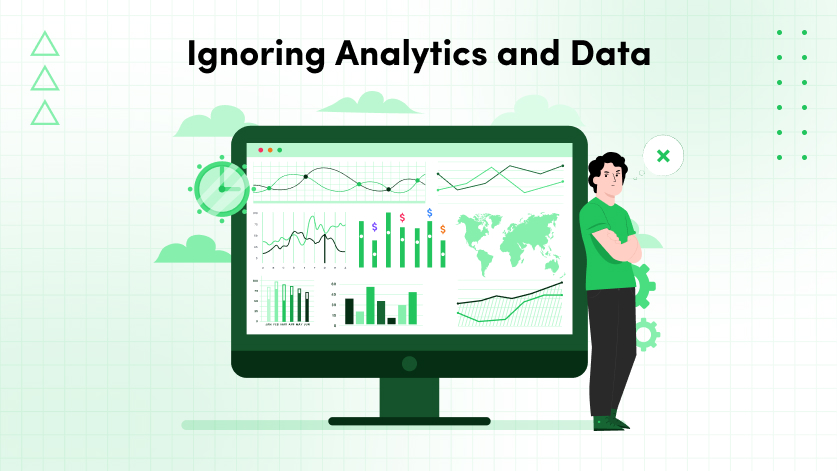
6. Ignoring Performance Data
Social media platforms provide detailed insights into how your content is performing. Still, many businesses overlook these metrics. Without analyzing data, it becomes difficult to understand what’s working and what needs improvement. Regularly reviewing performance helps refine your strategy and improve results over time.
7. Using Identical Content Everywhere
Each platform serves a different purpose and attracts a different type of audience. Sharing the same post across all platforms without any changes can limit its effectiveness. Tailoring your content according to the platform ensures better reach and engagement.
8. Compromising on Content Quality
In a crowded digital space, quality matters more than ever. Poor visuals, weak captions, or unclear messaging can reduce your credibility. High-quality content not only grabs attention but also encourages users to interact with your brand. Investing time in creating better content can significantly improve your performance.
9. Not Adapting to New Trends
Social media evolves quickly, and trends play a big role in visibility. Businesses that ignore new formats or trending topics risk becoming outdated. Staying updated allows you to remain relevant and connect with your audience in fresh ways. However, trends should be used wisely and align with your brand voice.
10. Expecting Instant Success
One of the biggest misconceptions about social media is that it delivers quick results. In reality, building a strong presence takes time and consistency. Many businesses give up too soon when they don’t see immediate growth. Patience, combined with continuous effort, is key to long-term success.
Conclusion